Skip to content
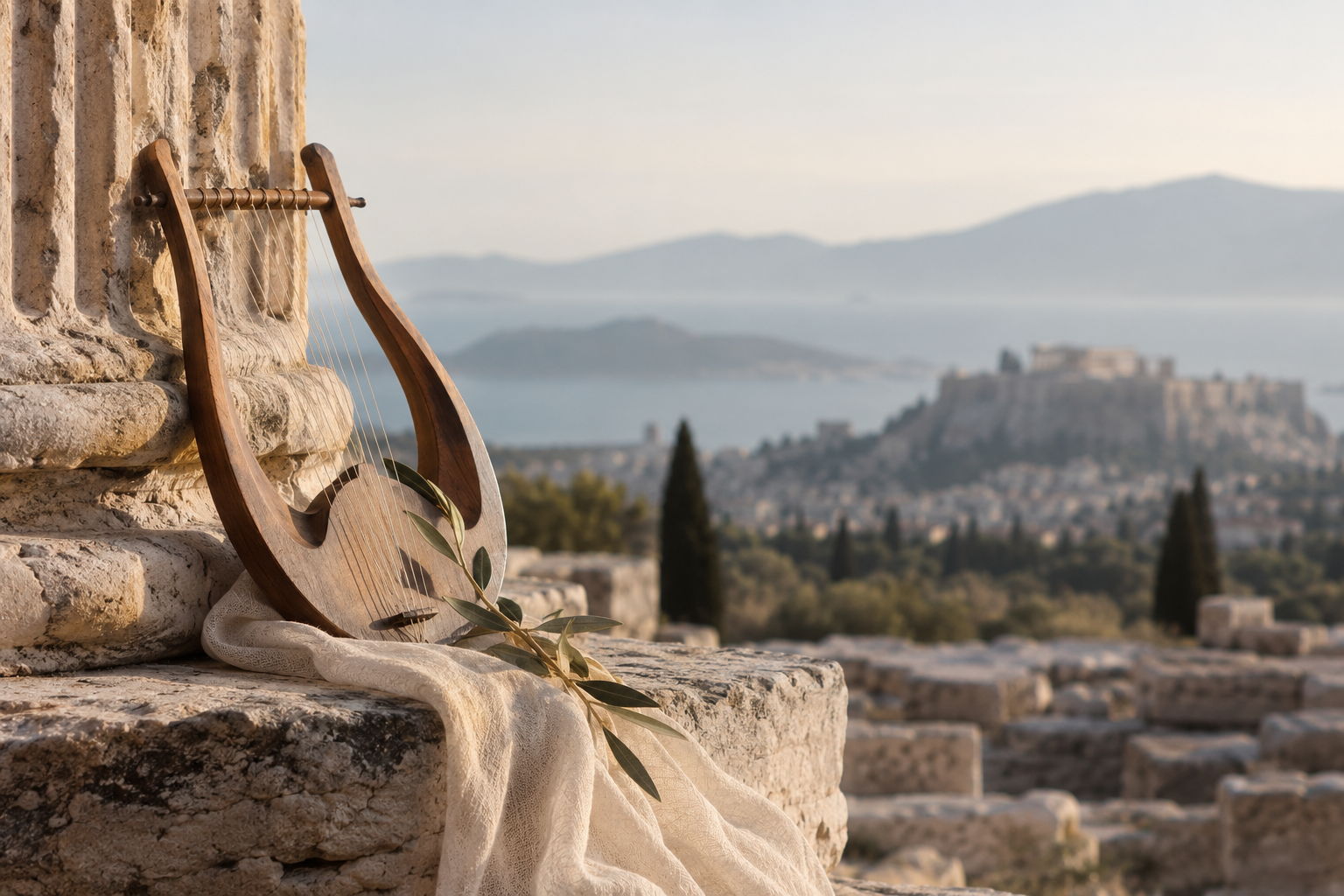
Editorial project image for Sound Worlds of Ancient Greece: a reconstructed lyre resting against ancient stone with the Acropolis in the distance

Current project

Sound Worlds of Ancient Greece

Music · Research · Recording · Film

A new body of music exploring the sound world of ancient Greece through surviving musical evidence, reconstructed instruments, composition and performance.

The project

What happens when surviving ancient Greek music is returned to the hands of working musicians?

Sound Worlds of Ancient Greece explores ancient Greek music through the interaction of surviving musical evidence, reconstructed instruments and contemporary creative practice.

Rather than attempting to recreate a single definitive version of the ancient Greek sound world, the project uses composition and performance as forms of investigation — asking what the surviving evidence makes possible, what it constrains, and what can only be discovered when musicians begin to work with it in practice.

The project will produce four new musical works alongside film documenting the creative and research process.

Evidence & sources

Working from what survives.

Surviving music & notation

A small but significant corpus of Ancient Greek music survives in notation. These documents provide direct evidence for pitches, intervals and aspects of melodic organisation. Rather than treating them as a complete picture of Greek musical practice, the project uses surviving music as a set of constraints against which new composition can be tested.

Instruments & material evidence

Reconstructed instruments turn theoretical possibilities into practical questions. Range, tuning, fingering, breath, articulation and the relationship between instruments can all affect what can actually be played. Here, the instruments are not simply used to perform the research: their possibilities and limitations become part of the evidence.

Texts & scholarship

Ancient writings on music are considered alongside modern scholarship on Greek notation, harmonic theory, instruments and surviving musical documents. These sources provide a framework for interpreting the musical evidence while helping distinguish what is attested, what can reasonably be inferred, and where contemporary creative decisions begin.

The music

Four works. Four investigations.

01

Documentary recomposition

Can a surviving Ancient Greek composition supply the interval vocabulary for a new work?

02

Organological constraint

Can voice and the reconstructed ensemble share a viable pitch and melodic territory?

03

Functional reconstruction

What can be composed when a social function is evidenced but no corresponding score survives?

04

Instrumental experiment

Can reconstructed instruments sustain a complete musical discourse without a vocal line?

The instruments

Sound begins with the instrument.

Lyre

Voice, strings and melodic practice.

The lyre forms part of the project's exploration of the relationship between voice and reconstructed instruments, bringing questions of pitch, tuning and melodic organisation into performance.

Pandoura

Exploring a reconstructed string instrument in practice.

The pandoura is being investigated through direct work with the instrument and performer. Its practical possibilities — including tuning, range, technique and response — will help shape the music written and arranged for it.

Aulos

Where instrumental possibility becomes compositional constraint.

The aulos places particularly direct demands on pitch, range, fingering, breath and articulation. Rather than writing independently of those limitations, the project allows the reconstructed instrument and performer to influence the resulting music.

The people

A project built through collaboration.

Dr Mary Ann Tedstone Glover

Dr Mary Ann Tedstone Glover

Founder and Lead | Composer and Musicologist

Ancient Sound Lab · Founder and Lead

Dr Mary Ann Tedstone Glover is the founder and lead of Ancient Sound Lab. A composer, musicologist and researcher, she combines historical evidence, reconstructed instruments, performance and studio practice to investigate and explore the sound worlds of ancient Greece and Rome.

Mary Ann studied Early Music at the Guildhall School of Music and Drama before completing an MMus and a practice-based PhD at Bath Spa University. Her doctoral research, Writing Music for an Ancient Roman Ensemble: Artistic Research in the Recording Studio, explored composition and recording as forms of archaeomusicological enquiry. She is now a Visiting Research Fellow at Bath Spa University.

Her album The Music of Ancient Rome received international press and broadcast coverage and was longlisted for a Grammy in 2024. Her music has also appeared in film and television, including the Oscar-nominated animated short Our Uniform. In 2026, she received Arts Council England funding to lead Ancient Sound Lab’s current project, Sound Worlds of Ancient Greece.

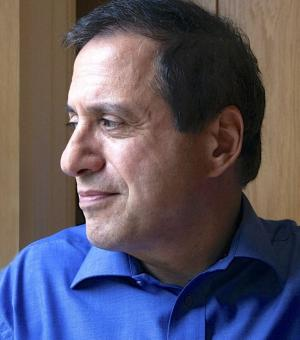
Professor Armand D’Angour

Professor Armand D’Angour

Classical Scholar, Ancient Greek Music Specialist & Lyricist

Sound Worlds of Ancient Greece · Researcher, co-writer and lyricist

Professor Armand D’Angour is Professor of Classical Languages and Literature and Fellow and Tutor in Classics at Jesus College, University of Oxford. A classical scholar and musician, his research includes ancient Greek music, metre, poetry and performance.

His work on reconstructing the sounds of ancient Greek music has brought surviving musical notation and ancient musical practice to a wide public audience. For Sound Worlds of Ancient Greece, Armand contributes as a researcher, co-writer and lyricist, developing Ancient Greek texts and helping to connect the project’s new music with historical language, metre and musical evidence.

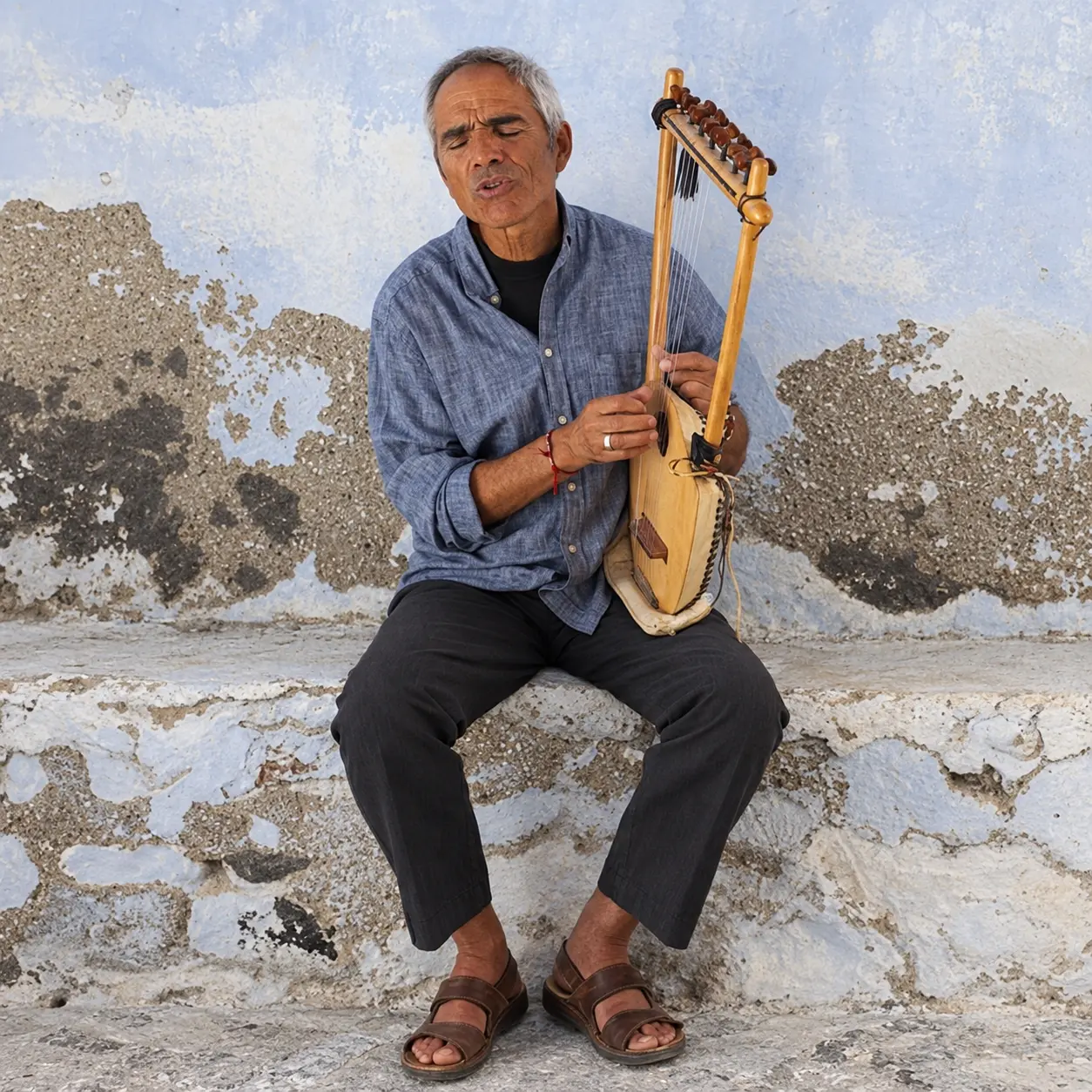
Thanasis Kleopas playing a reconstructed ancient Greek lyre

Thanasis Kleopas

Lyre Player, Singer & Composer

Sound Worlds of Ancient Greece · Lyre and vocals

Thanasis Kleopas is a Greek musician, singer and composer whose work centres on the ancient Greek lyre. He has performed internationally across Europe and Asia, combining the lyre with traditional Greek music and his own compositions. His work reflects both his Greek musical roots and a wider interest in world-music traditions.

For Sound Worlds of Ancient Greece, Thanasis performs lyre and vocals, working with Mary Ann Tedstone Glover on the vocal and instrumental realisation of the project’s reconstructed ancient Greek sound worlds. His experience as both a singer and lyre player is particularly important in bringing together text, melody and performance in the finished recordings.

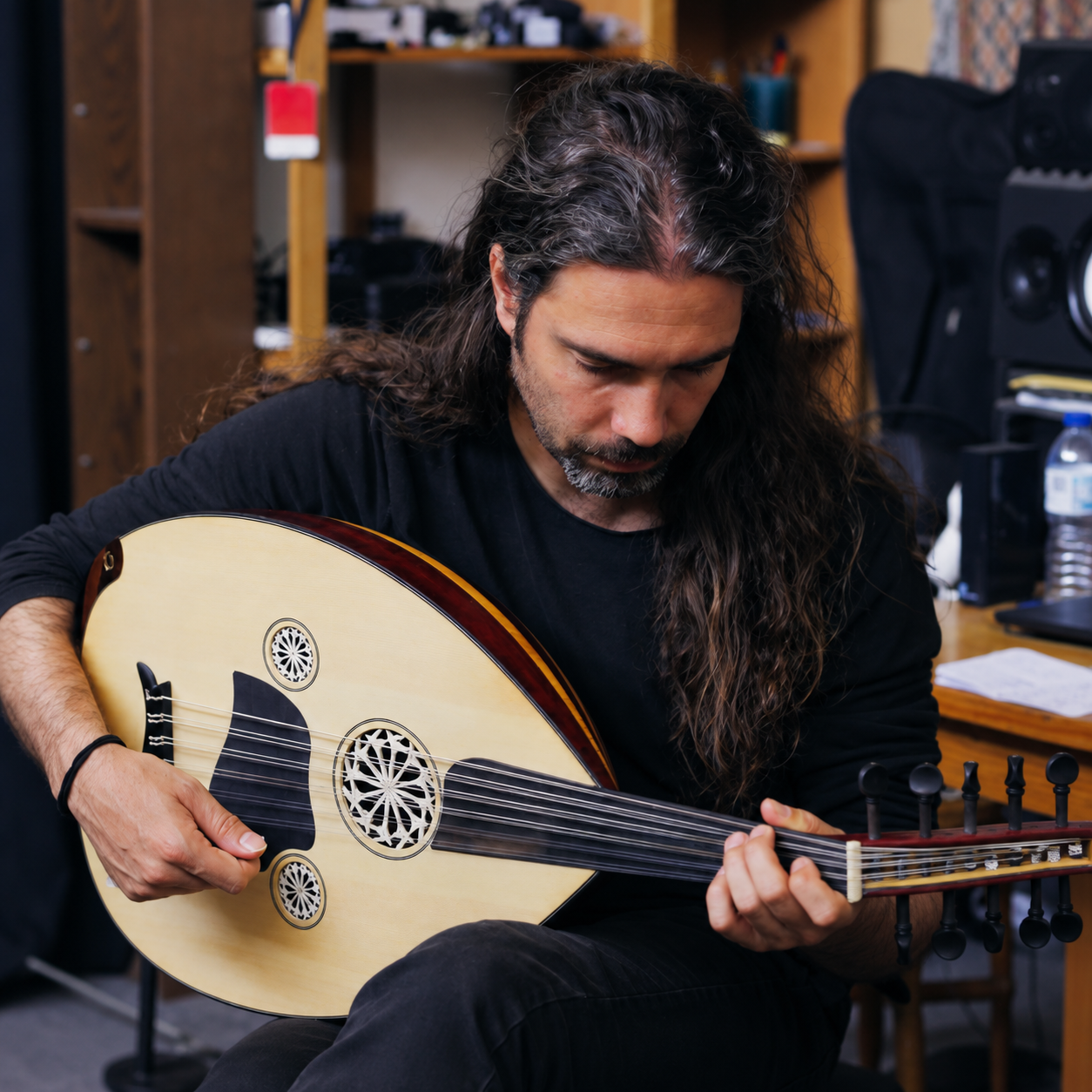
Nuno Silva with a plucked-string instrument

Nuno Silva

Multi-Instrumentalist & Historical String Performer

Sound Worlds of Ancient Greece · Pandoura

Nuno Silva is a Portuguese multi-instrumentalist specialising in plucked-string instruments from Mediterranean, Middle Eastern and historical traditions. His work draws on instruments including oud, kanun, santur and other early stringed instruments, combining practical musicianship with a strong interest in historical sound and performance practice.

For Sound Worlds of Ancient Greece, Nuno performs on pandoura, working with Mary Ann Tedstone Glover to explore the instrument’s timbre, technique and musical possibilities within newly reconstructed ancient Greek sound worlds. His playing contributes an important practical dimension to the project, helping shape the instrumental character of the recordings through experimentation, interpretation and performance.

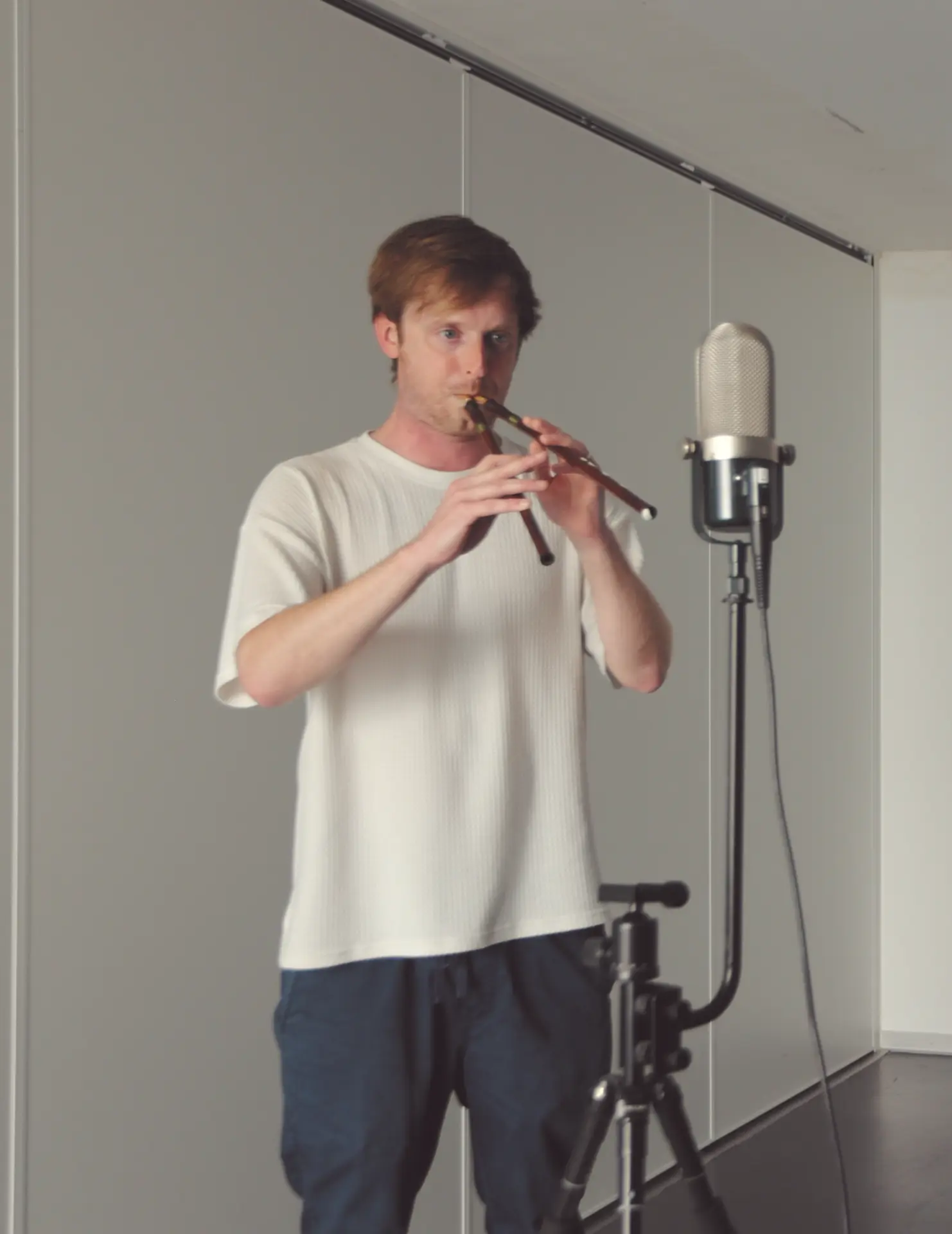
R.W. Enoch playing the aulos

R.W. Enoch

Aulos player, composer, producer and scholar

Sound Worlds of Ancient Greece · Aulos player

R.W. Enoch is a Los Angeles-based multi-instrumentalist, composer and producer whose work includes The Urban Renewal Project, a sixteen-piece ensemble combining hip-hop with jazz, and the revival of the ancient Greek and Roman aulos.

As founder and artistic director of The Urban Renewal Project, Enoch has led international tours and released four albums, including Love Glory Duty Death in 2025. The ensemble has performed at the Jakarta Java Jazz Festival and SXSW and contributed music to film and television projects including Hocus Pocus 2 and The Circle.

As an aulete and scholar, Enoch composed and performed the music for Adelphae, which premiered at the THALIA Festival in Braga, Portugal, in 2026. His article Revisiting the Thetic Approach to Ancient Greek Harmonics and Melody was published in Greek and Roman Musical Studies.

Michael Tedstone

Michael Tedstone

Composer & Music Producer

Sound Worlds of Ancient Greece · Pre-production and studio

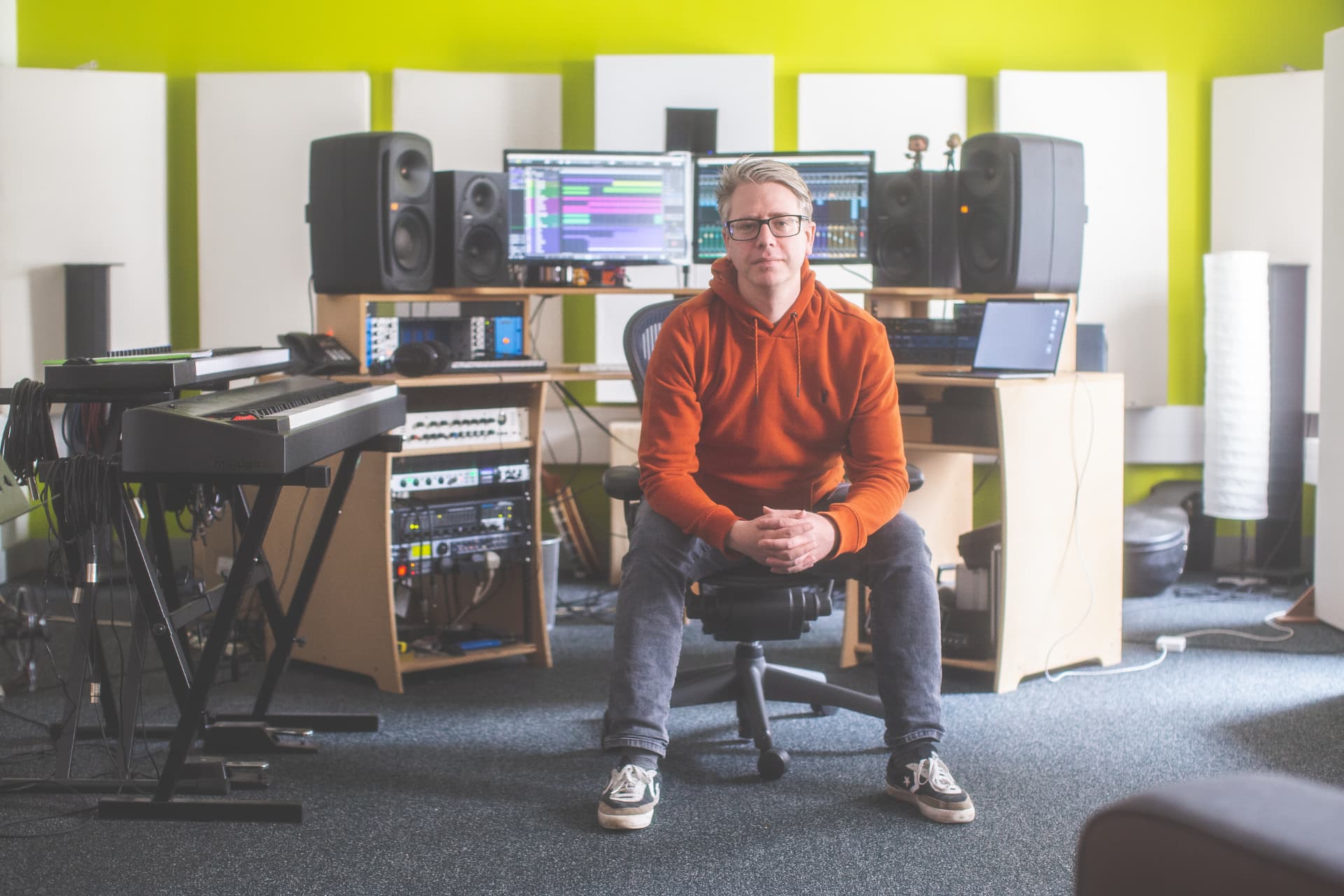
Michael Tedstone is an established UK-based composer and music producer with more than 15 years’ experience writing for television, film and international media. He has created over 20 albums for Audio Network and more than 170 tracks for Felt Music.

Combining traditional instruments and live musicians with contemporary electronic and orchestral production, his commercial work includes projects for Hyundai, Porsche, Nokia and Saudi Arabia’s Ministry of Culture. His music has featured in programmes including James May: Our Man in India, Gordon Ramsay: Uncharted, Joanna Lumley’s Spice Trail Adventure, Queer Eye and Panorama.

For Sound Worlds of Ancient Greece, Michael works with Mary Ann Tedstone Glover on pre-production, helping to develop and refine the tracks before recording. He also works alongside Mary Ann and Trevor Gibson in the studio, helping to shape the final recordings and bring Mary Ann’s musical vision to life.
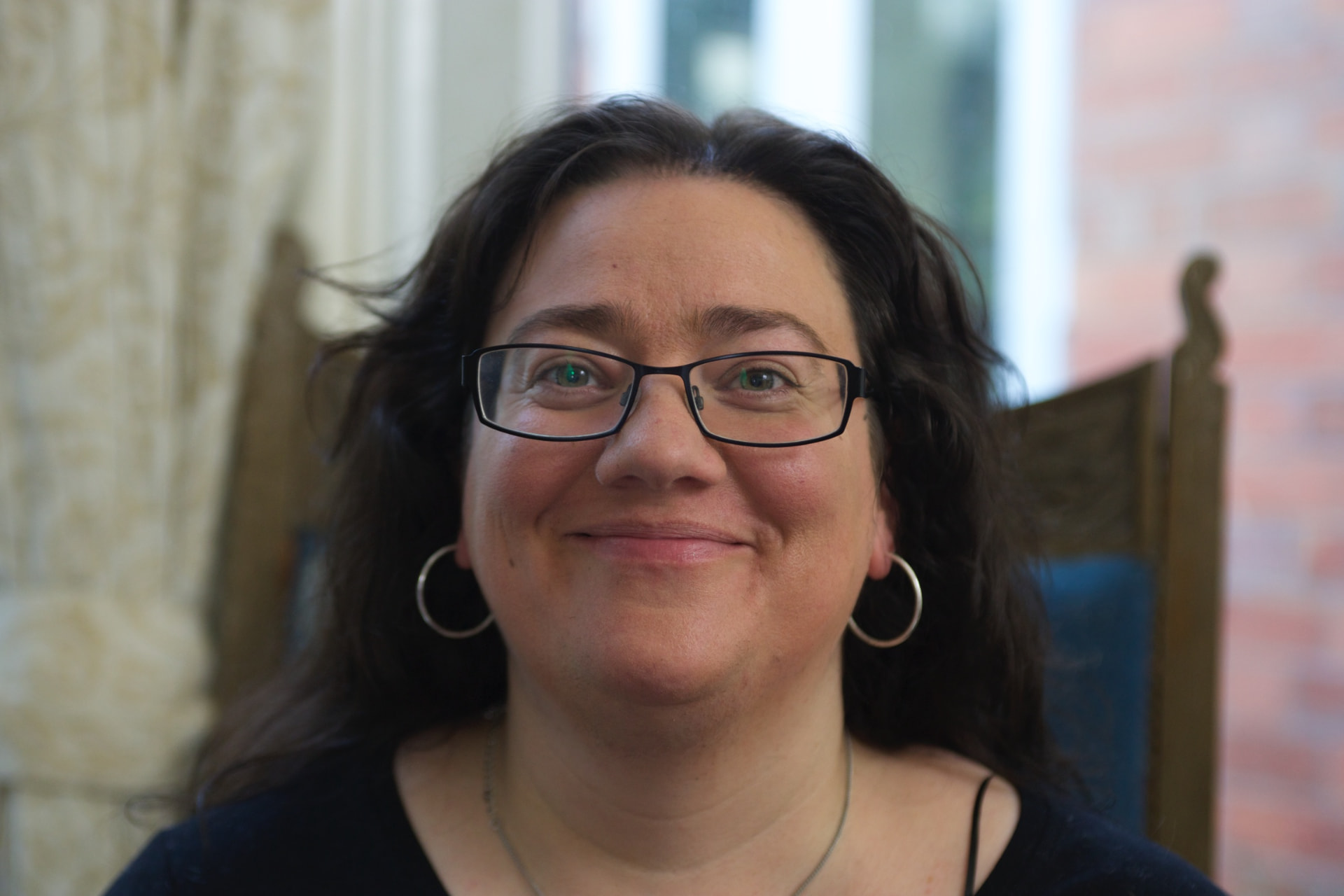
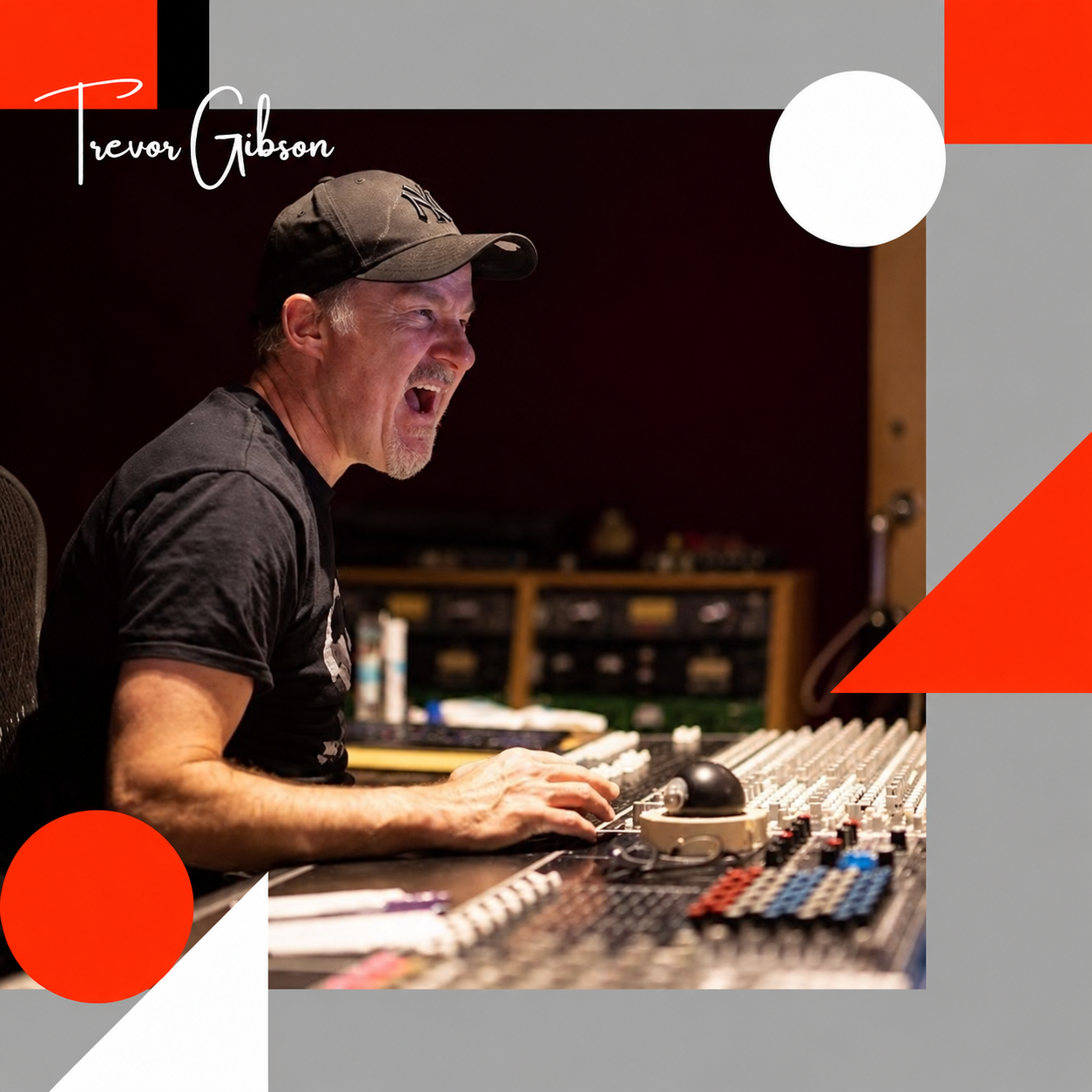
Trevor Gibson at Circle Recording Studios

Trevor Gibson

Producer & Recording Engineer

Sound Worlds of Ancient Greece · Producer and recording engineer

Trevor Gibson is a producer, recording engineer and Chief Engineer at Circle Recording Studios in Birmingham. Working professionally since 1982, he has extensive experience recording and mixing music and audio for artists, film, television and games.

Trevor previously produced and engineered Mary Ann Tedstone Glover’s The Music of Ancient Rome. For Sound Worlds of Ancient Greece, he returns as producer and recording engineer, bringing his long studio experience to the recording and mixing of the project’s reconstructed ancient sound world.

In practice

Where evidence becomes sound.

First encounter

Nuno Silva explores the pandoura

An initial encounter with the reconstructed pandoura for Sound Worlds of Ancient Greece. Before formal recording begins, the instrument is explored in practice — its tuning, response, range and physical characteristics becoming part of the developing musical process.

Project credits

Sound Worlds of Ancient Greece

A project by Ancient Sound Lab

Supported using public funding by Arts Council England

Back to Ancient Sound Lab →

Project support

Supported using public funding by Arts Council England